Doubanjiang: the chili-bean paste jar
You’ll recognize the dense red-brown 豆瓣酱 jar — and know when to buy it (or wait for trip two).
Quick picks
- Doubanjiang (豆瓣酱) is salty, fermented broad-bean chili paste — red/brown, dense.
- Decision rule: buy a small jar when you have a mapo / twice-cooked / Sichuan-heat recipe this week; otherwise it can wait for Trip 2.
- Pixian-style jars are a common shelf cue; heat and salt vary — start small in the pan.
Decision rule
If this week’s dishes don’t need fermented chili-bean paste, skip it on trip one. When you do buy: small jar, then cook with less than you think — it’s salty.
Shelf match
Look for a squat jar of thick red-brown paste — not a thin hot sauce bottle.
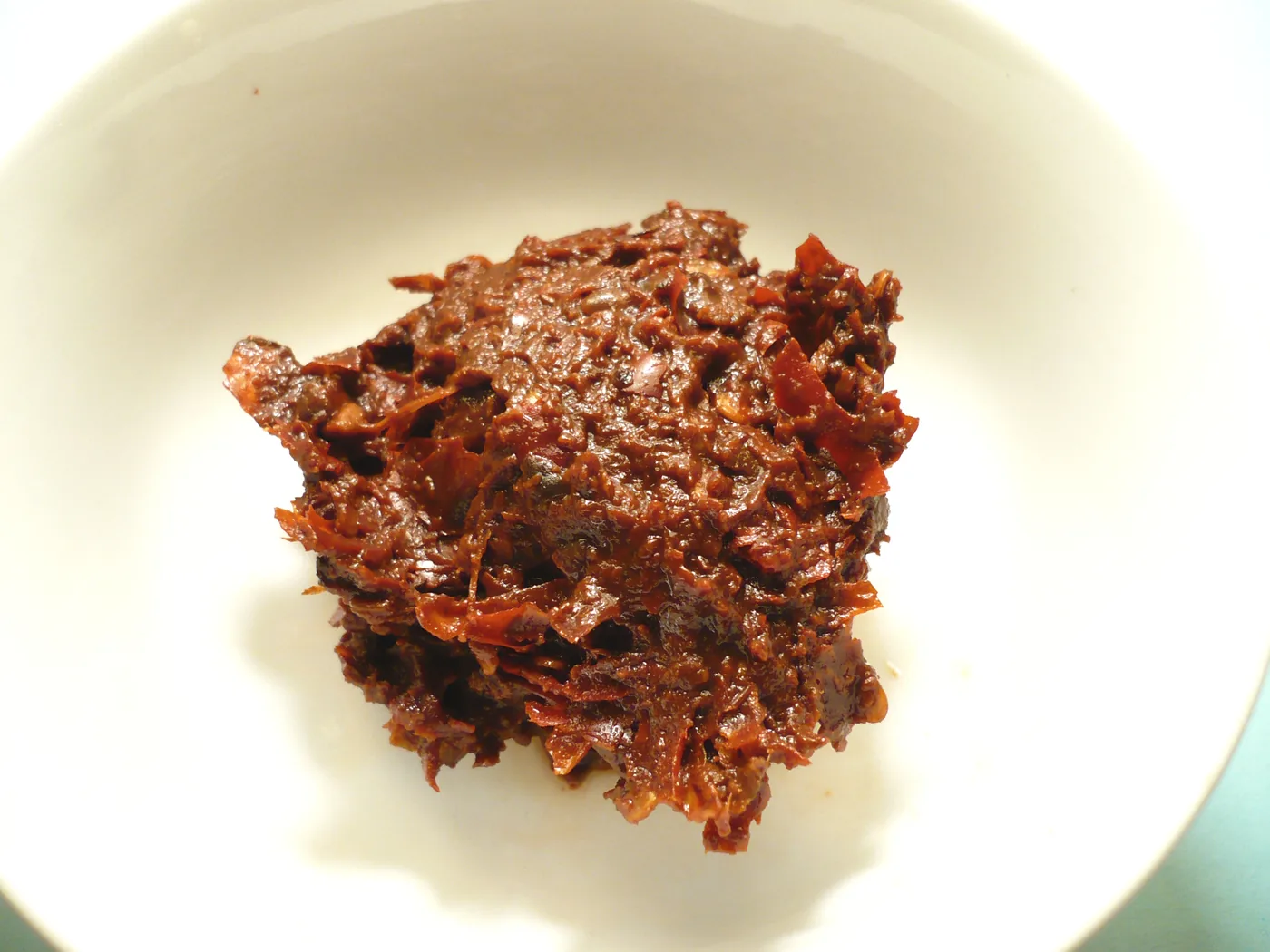
Photo: Wikimedia Commons
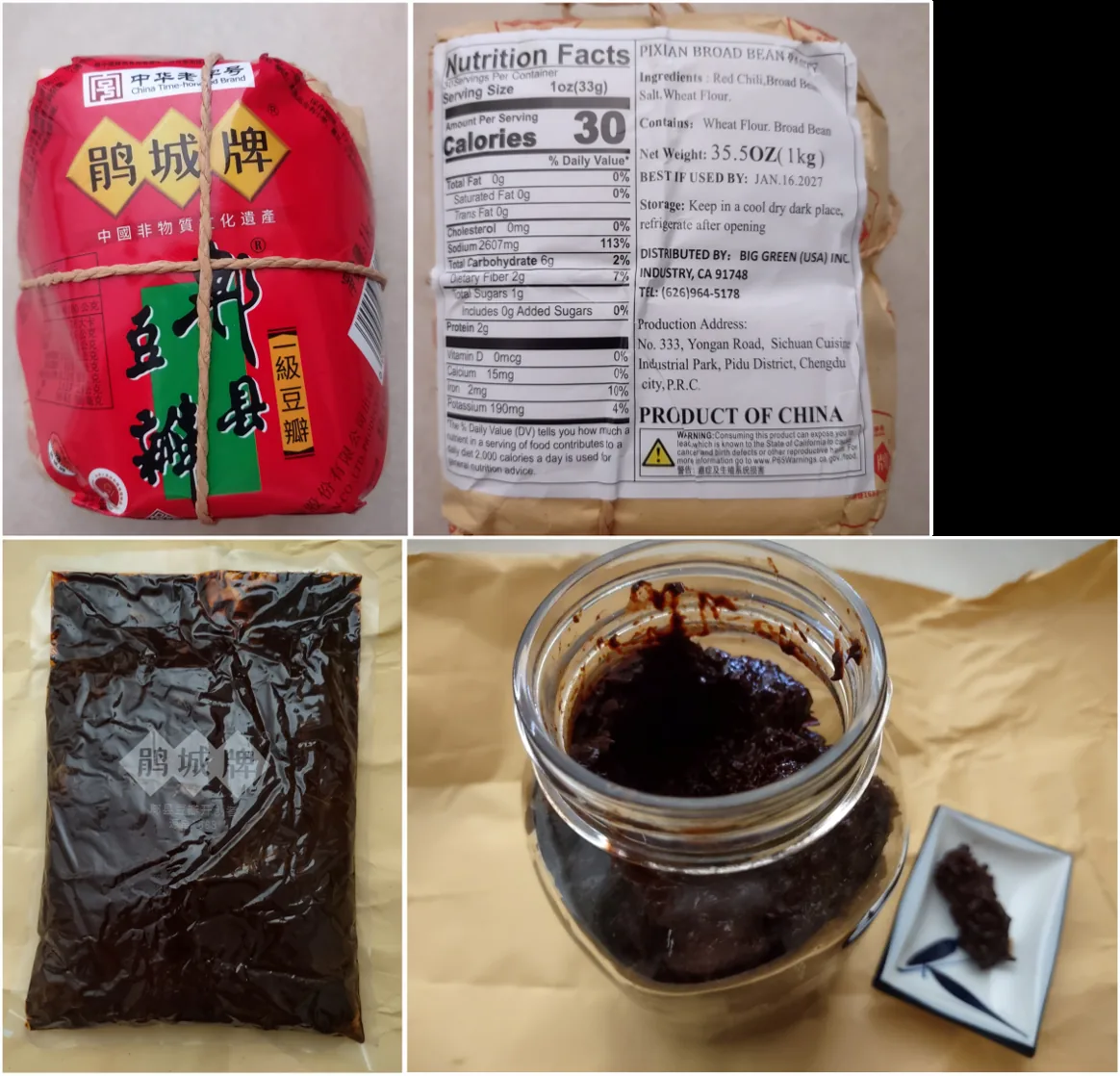
Photo: Wikimedia Commons
Label decoder
- 豆瓣酱 — bean paste (doubanjiang).
- 郫县 — Pixian (common origin/style cue).
- May include chili, salt, fermented beans — check wheat if gluten matters.
Buy
- Small jar for a planned Sichuan-heat dish
Skip
- Huge tubs before you know your dose
- Confusing it with sweet bean sauce / hoisin
Storage
Clean spoon. Many jars are pantry-ok; refrigerate if the label says so. Oil cap optional for some cooks — follow your jar.
What this unlocks
- Mapo-style tofu bases
- Twice-cooked pork style seasoning
- Deeper chili-bean stir-fries
Listed on Trip 2 of the pantry plan.
Two-trip pantryFAQ
Can I swap gochujang?
Different paste. Closer isn’t identical — buy doubanjiang when the recipe is Chinese Sichuan-leaning.
Too salty?
Use less; balance with stock, sugar, or more aromatics. Don’t dump a huge spoon on day one.